
Top 10 On-Page SEO Checklist: Maximizing Website Performance
Last updated on May 20, 2026
In digital marketing, having a website that ranks well on search engine results pages (SERPs) is paramount to success. With millions of websites competing for attention, ensuring that your site is optimised for search engines is important. This is where on-page SEO comes into play. By implementing a comprehensive on-page SEO checklist, you can maximise your website’s performance and visibility online.
Understanding On-Page SEO
Before we get into the On Page SEO Checklist, let’s understand that on-page SEO is the process of optimising individual web pages so that they rank higher and receive more relevant traffic from search engines. It includes a variety of factors, such as content quality, keyword optimization, meta tags, and internal linking, among others.
The Importance of an On-Page SEO Checklist

A well-executed on-page SEO strategy lays the foundation for a successful digital marketing campaign; it not only helps search engines understand the relevance of your content but also enhances the user experience, leading to higher engagement and conversion rates. By following a structured on-page SEO checklist, you can ensure that your website meets the criteria for optimal performance.
Top 10 On-Page SEO Checklist Items to Maximize Website Performance
1. Keyword Research and Optimization
Conduct thorough keyword research to identify relevant terms and phrases for your content. To improve search visibility, include these keywords naturally in your title, headings, and body text.
2. High-Quality Content Creation
Create useful, engaging, and valuable content for your target audience. Focus on resolving their issues, answering their questions, and offering practical guidance.
3. Title Tag Optimization
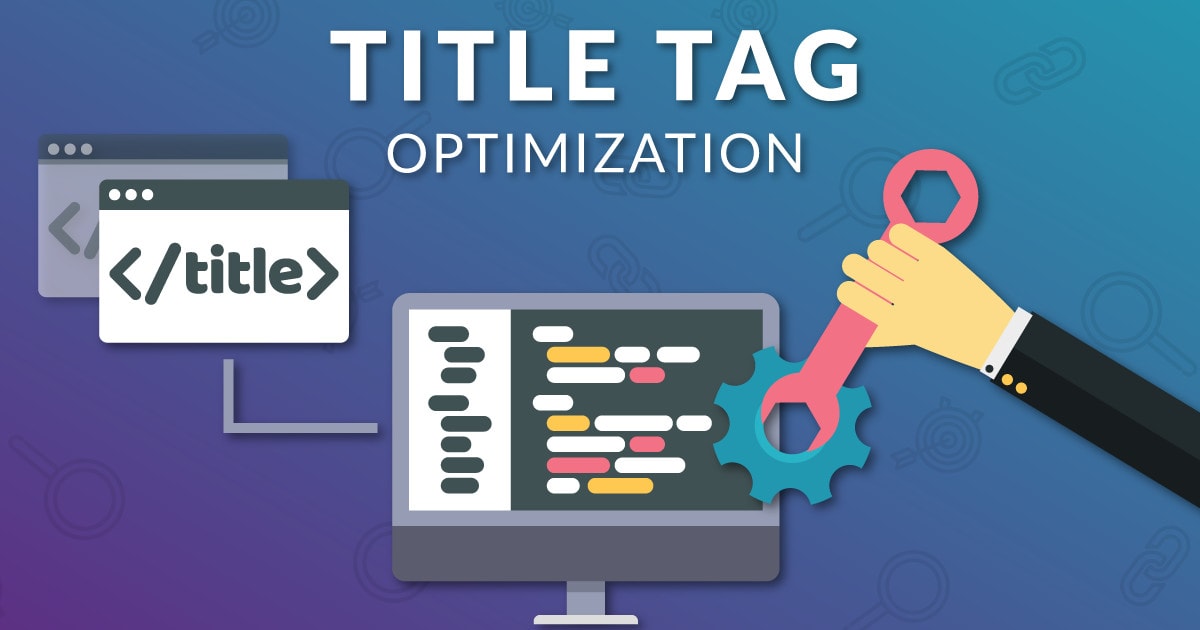
Create required and descriptive title tags that accurately represent the content on your web pages. Include your target keyword near the beginning of the title to improve SEO.
4. Meta Description Optimization
Create clear and effective meta descriptions that summarise the content on your pages. While meta descriptions may not have a direct impact on rankings, they can influence click-through rates among search engine users.
5. URL Structure Optimization
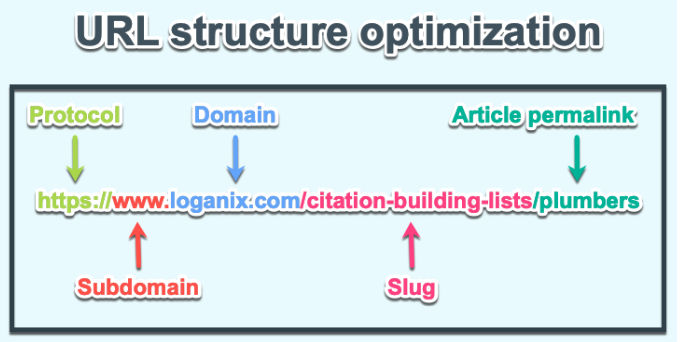
Ensure that your URLs are clear, informative, and contain relevant keywords. A clean URL structure improves readability for both users and search engines.
6. Header Tags Optimization
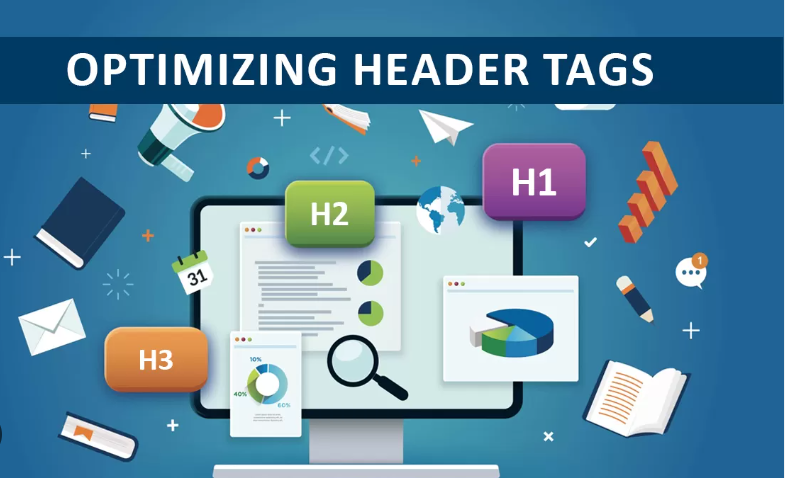
Header tags (H1, H2, H3, etc.) help search engines understand your content by structuring it logically. Use relevant keywords in your headers to draw attention to the importance of your content.
7. Image Optimization
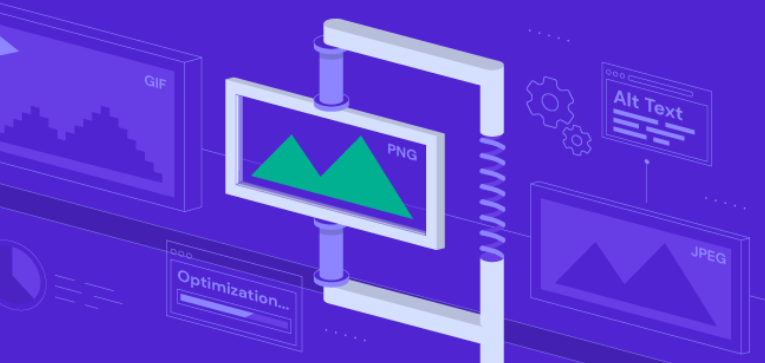
In Image Optimization, use descriptive file names, alt tags, and captions to improve the visibility of your images. Image compression can help reduce page load times and improve the user experience, both of which search engines take into account.
8. Internal Linking
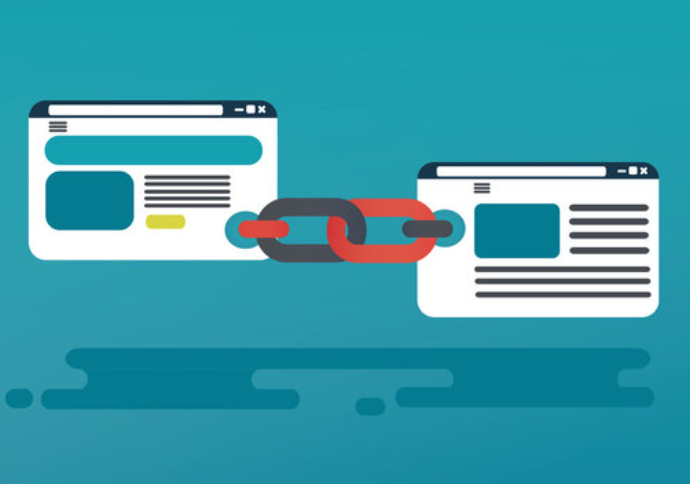
Use Internal Links in your content to connect related pages on your website. Internal linking helps to distribute link equity while also improving your site’s crawlability and indexing.
9. Mobile-Friendliness

Make sure your website has been optimised for mobile devices. With the growing popularity of mobile browsing, search engines favour mobile-friendly websites, which provide a better user experience.
10. Schema Markup Implementation

Apply schema markup to give search engines more context about your content. Schema markup can improve search results by providing rich snippets, making your listings more appealing to users.
Conclusion
In conclusion, implementing a comprehensive on-page SEO checklist is important for improving your website’s performance and visibility in search engine results. By optimising various on-page elements such as keywords, content, meta tags, URLs, and others, you can increase your chances of ranking higher and attracting relevant traffic to your website. To stay ahead of the competition and achieve long-term success in the ever-changing landscape of digital marketing, keep your on-page SEO strategy reviewed and updated regularly.
Frequently asked questions?
1. What is on-page SEO?
On-page SEO is the process of optimizing website pages to improve Google rankings. It includes content, keywords, meta tags, headings, internal links, and website performance.
2. Why is on-page SEO important for websites?
On-page SEO helps search engines understand your content better. It improves rankings, website visibility, user experience, and organic traffic.
3. What are the most important elements of on-page SEO?
Important on-page SEO elements include title tags, meta descriptions, headings, keywords, internal links, image optimization, and page speed.
4. How can on-page SEO improve website performance?
On-page SEO improves website performance by making pages faster, user-friendly, and search-engine optimized. This helps increase traffic and conversions.
5. How often should I update my on-page SEO?
On-page SEO should be reviewed regularly, especially when updating content, targeting new keywords, or improving website performance and rankings.
February 8, 2024